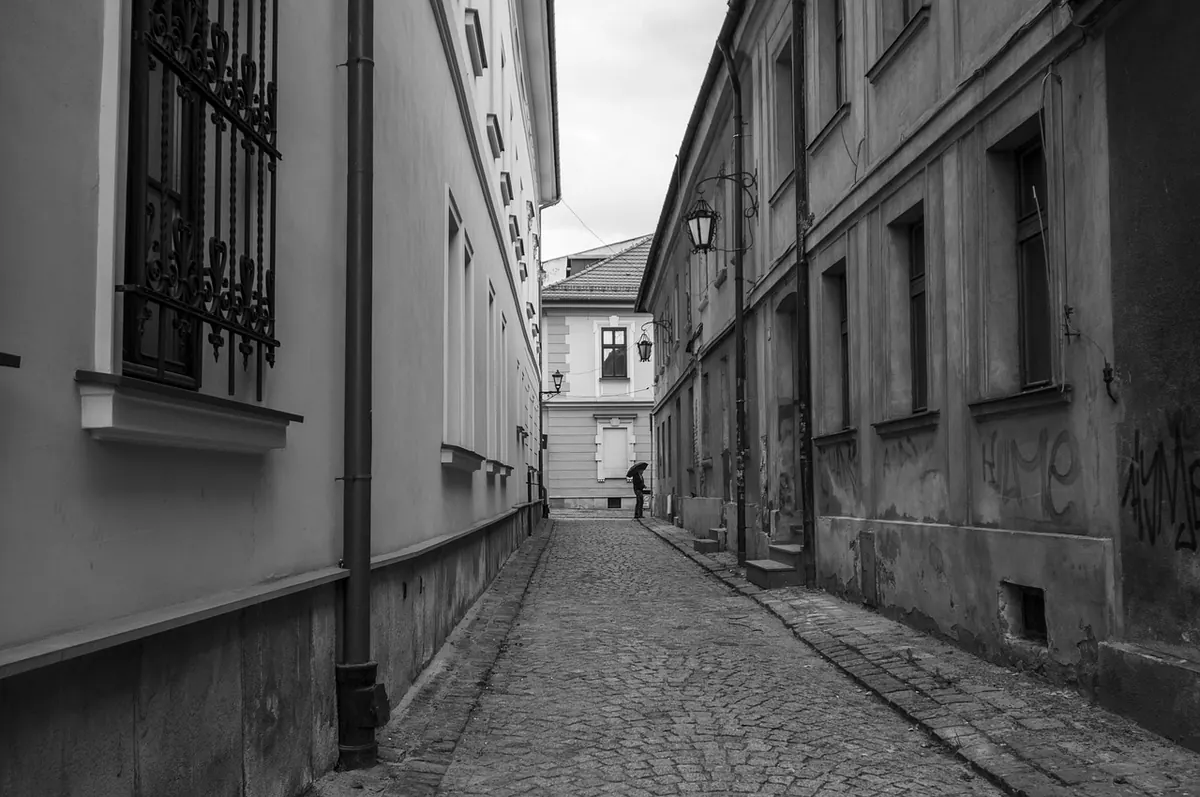
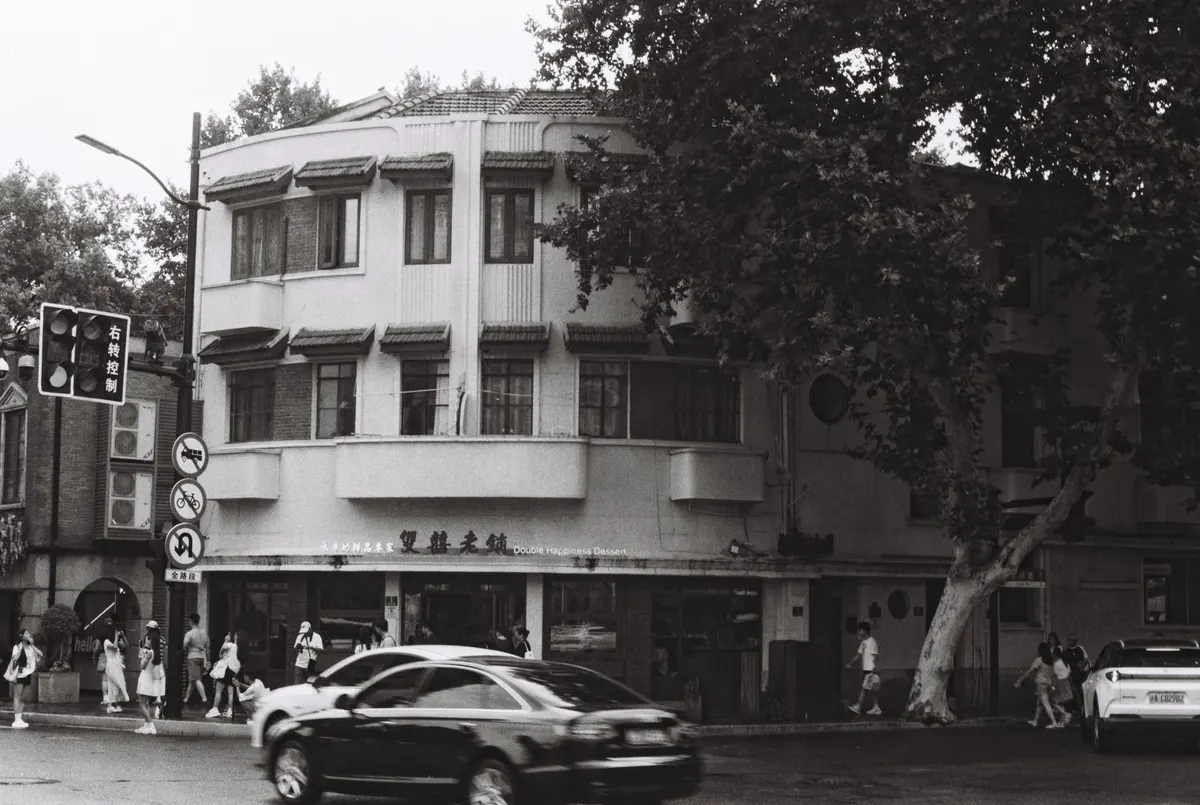
Comparison: Morning Market Streets vs. Afternoon Market Streets
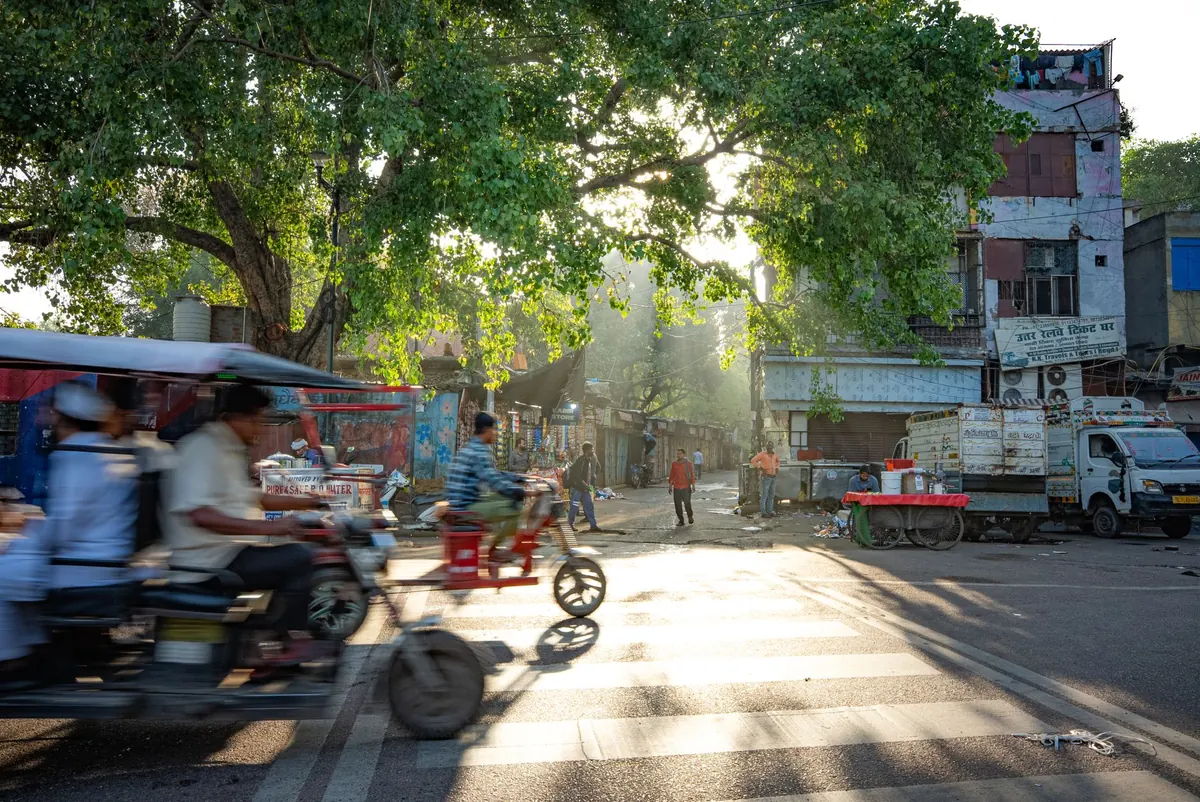
Walk the same market street at seven in the morning and again at four in the afternoon and you may doubt your memory. The shutters, the smells, the people, even the goods on the tables change places. One version is a workplace with a queue attached; the other is a slow parade with a bargain at the end. Neither is the "real" street. Both are, and knowing which one you are walking into is the difference between a frustrating errand and a good hour.
The first hour is not really shopping. It is unloading. Vans nose into spaces that are not spaces, crates come down in stacks, and someone is always hosing the stones near the drain. Shutters go up with a clatter that echoes off the buildings, and a radio starts somewhere before the second stall is even half built. The smell is wet stone, ice, coffee, and just enough fish to remind you where you are.
Vendors work in a rhythm they have refined for years: boxes on the left, display in front, rubbish behind, and a gap wide enough to step through. Watching them build a pyramid of tomatoes is genuinely satisfying. It is also a reminder that this street is a business before it is a picture.
Food, mostly, and food at its best. Produce that arrived overnight, fish still on ice that hasn't yet begun to melt into the crates, the butcher's counter filling up, bread going out warm in paper. If you want a specific cut of meat, a particular fish, or the good loaf from the baker everyone quietly queues for, morning is not a suggestion. It is the rule. By eleven, the best of it belongs to somebody else.
Working people with a job to finish. Grandmothers with pull carts that have seen better decades. Cooks from nearby restaurants buying for the day's menu, pointing rather than talking. A few dog walkers, a few people on their way to a shift. Conversation is brief and practical, full of shorthand: a nod at the chestnuts, a raised finger for two of something, a bill passed across without a word. It is friendly, but it is not leisurely. Nobody is standing in the middle of the pavement deciding what they feel like.
Come back after three and the produce has thinned out and been marked down, and the space it leaves behind fills with something else entirely: shoes, shirts hung in rows, bags, sheets, phone cases, plastic containers, brooms, hardware, fabric by the metre, the occasional table of second-hand books. The awnings hold the heat and bounce the light back at you. The pace drops by half.
People stop now. They handle things. They chat with the vendor about a daughter's wedding, the weather, the price of the shoes, and then they buy or they don't, and either is fine. Children come out of school and get a slice of something on the way home. The afternoon street has the quality of a visit rather than a transaction, which is precisely why some locals avoid it and others wait for it all day.
The split is not only about pace. It is about what is physically on the tables, and that should shape your plan more than anything else. Morning is for ingredients. Afternoon is for things that do not spoil, plus the last of the food at a lower price.
Late-day produce is worth knowing about. What survives a day in a crate — tomatoes for sauce, peppers, aubergines, onions, the tougher greens — is often sold cheaply in the final hour, and it is perfectly good if you are cooking it that evening or putting it in a pot. What does not survive is not there to buy at four. Soft fruit, delicate herbs, fish, anything that wanted ice: morning or nothing.
Non-food stalls keep their own clock, and it is usually a late one. The man with bolts of fabric arrives around ten, not seven. The shoe tables appear after lunch. If you turn up at eight looking for a belt, you will find a beautiful market and no belt.
Nobody hands out a schedule, but the shape of the day is remarkably consistent from street to street.
Morning light comes in low and sideways, which makes the street look narrower and the colours deeper. The soundtrack is metal, crates, water, a radio, the flat crack of ice being broken. There is a briskness to it that makes you walk faster than you meant to.
Afternoon light bounces off awnings and washes everything out slightly. The smell shifts to dust, frying, warm fabric, the odd cigarette. The soundtrack is conversation, children, someone's phone, boxes being flattened and stacked. Same stones, different film. If you want to feel the street working, come early. If you want to sit with it, come late.
One small note on manners that applies at both hours: ask before photographing a vendor's face or their display, and a nod towards the stall is usually enough. Buy something small if you have spent five minutes arranging a shot on their table.
The practical version is short. For tonight's dinner, come before nine with a bag, some coins and a rough list — and accept that the good bread may already be gone if you leave it late. For browsing, shoes, fabric, kitchen bits or a cheap chair, come after four and leave the list at home.
If the day is hot, choose morning; awnings and stone hold heat well into the evening. If it is raining, the morning is more civilised, since the food stalls are under cover and the clothing tables often are not. Ask a vendor when they pack up, because some close at one and return at four while others simply close, and no sign will tell you which.
Then do the one thing that teaches you more than any guide: buy a coffee at the bar on the corner, stand at the counter, and watch the street for ten minutes. You will see the crowd change hands, the crates go back into the vans, the tables turn over. Two visits, one street, and a fair picture of how the neighbourhood actually spends its day.
Photo: Shantanu Kumar / Pexels
Previous Post
How to Photograph Alley Life Respectfully: A Local Culture Checklist
Next Post
What Locals Mean by 'The Corner': A Beginner's Guide to Neighborhood Social Geography