What Locals Mean by 'The Corner': A Beginner's Guide to Neighborhood Social Geography
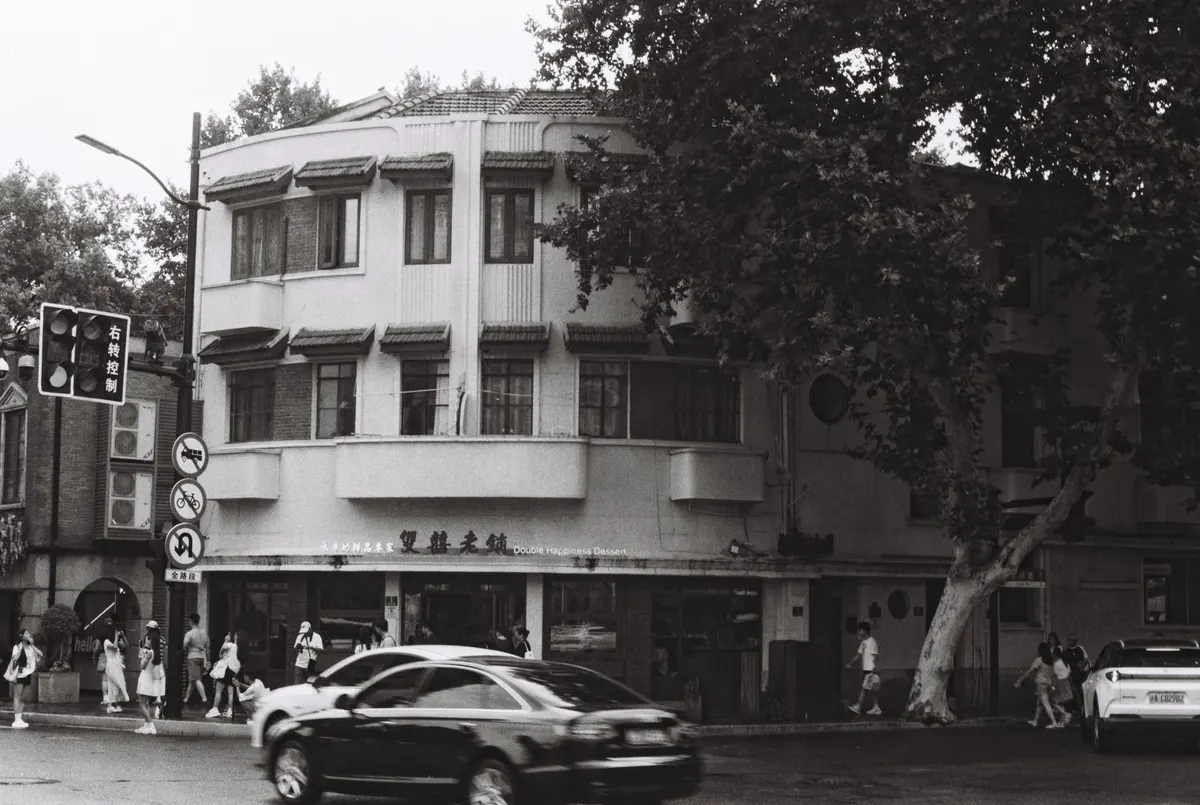
Ask five people in the same neighborhood where to meet and four will give you the same answer: the corner. Not the piazza, not the church steps, not the address of the bar. Just the corner, as if there were only one. There usually is. Every quarter has a patch of pavement that quietly does the work of a town square: it holds the greetings, the gossip, the small negotiations over parking, and the news of who has died and who has had a baby. Learning to see that patch is the fastest way into a place.
What follows is not folklore. It is observation, the kind you can do on foot in a week, with a coffee in your hand and no particular reason to be anywhere.
Piazzas are for occasions. Corners are for Tuesdays.
A square asks you to arrive. It is a destination, with a fountain in the middle and a reason to sit down. A corner lets you pass through, which is exactly why the best conversations happen there. Two streets meeting produce an accidental triangle of pavement, a bit of shelter, a view in two directions at once. You can see who is coming from both sides. That makes a corner a natural place to wait, smoke, finish a phone call, or look busy while doing nothing at all.
It also comes with equipment nobody planned. A wall at exactly the height for leaning. An awning. A step, a windowsill, a low bollard. The square hands you a bench; the corner hands you options.
And corners can be claimed. Anyone can occupy a piazza for an hour without leaving a trace. A corner, on the other hand, can belong to the same six people for twenty years. That is the difference between public space and social space, and it is worth knowing which one you are standing in.
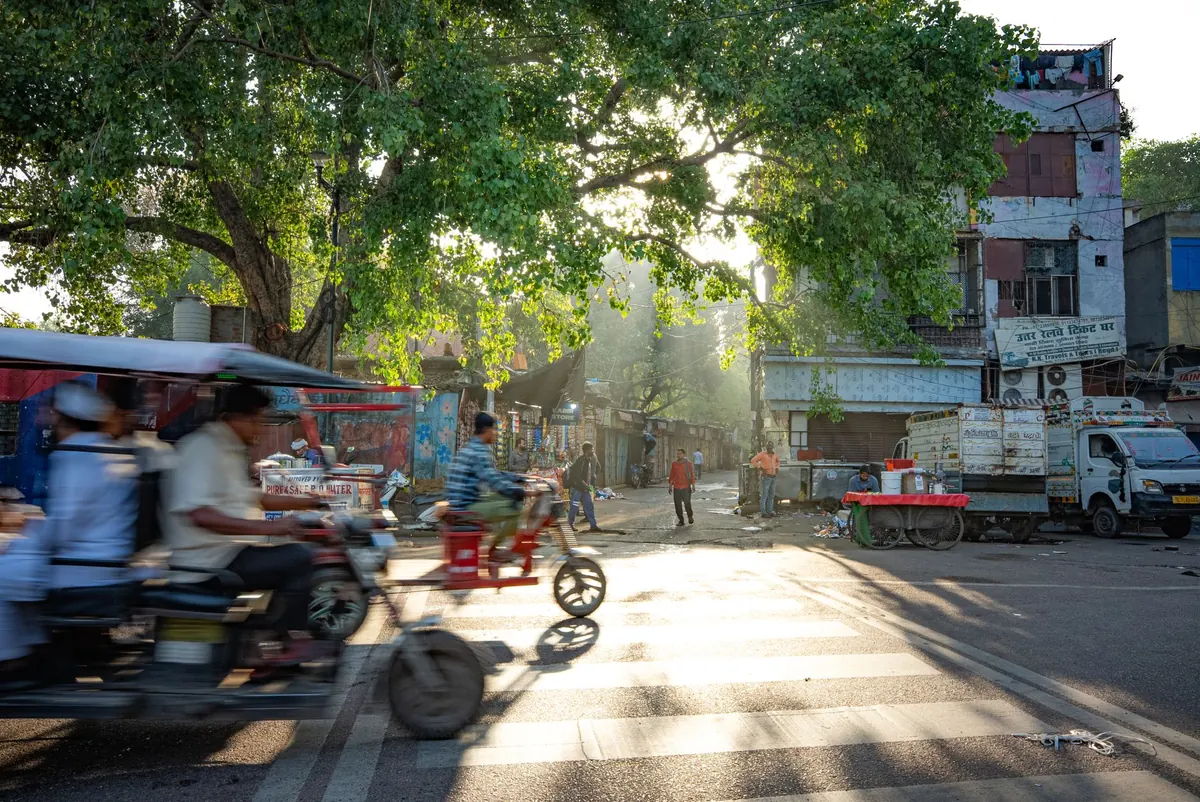
Usually where the school gate or the bus stop is. High traffic, short exchanges, a lot of nodding. People greet each other here, but nobody stays. It is the easiest corner to join and the least interesting, though it will teach you faces faster than any other spot in the neighborhood. Standing here for twenty minutes at eight in the morning tells you who works where, who walks and who drives, and which parents are always late.
Attached to a bar, a tobacconist, a newsstand, a bakery. This corner has furniture and habits. The same men at the same hour with the same argument about the football or the council's new parking rules. If you want to understand how a neighborhood actually runs, this is the corner you need to be tolerated at, and being tolerated takes longer than being welcomed. That is not unfriendliness. It is a queue.
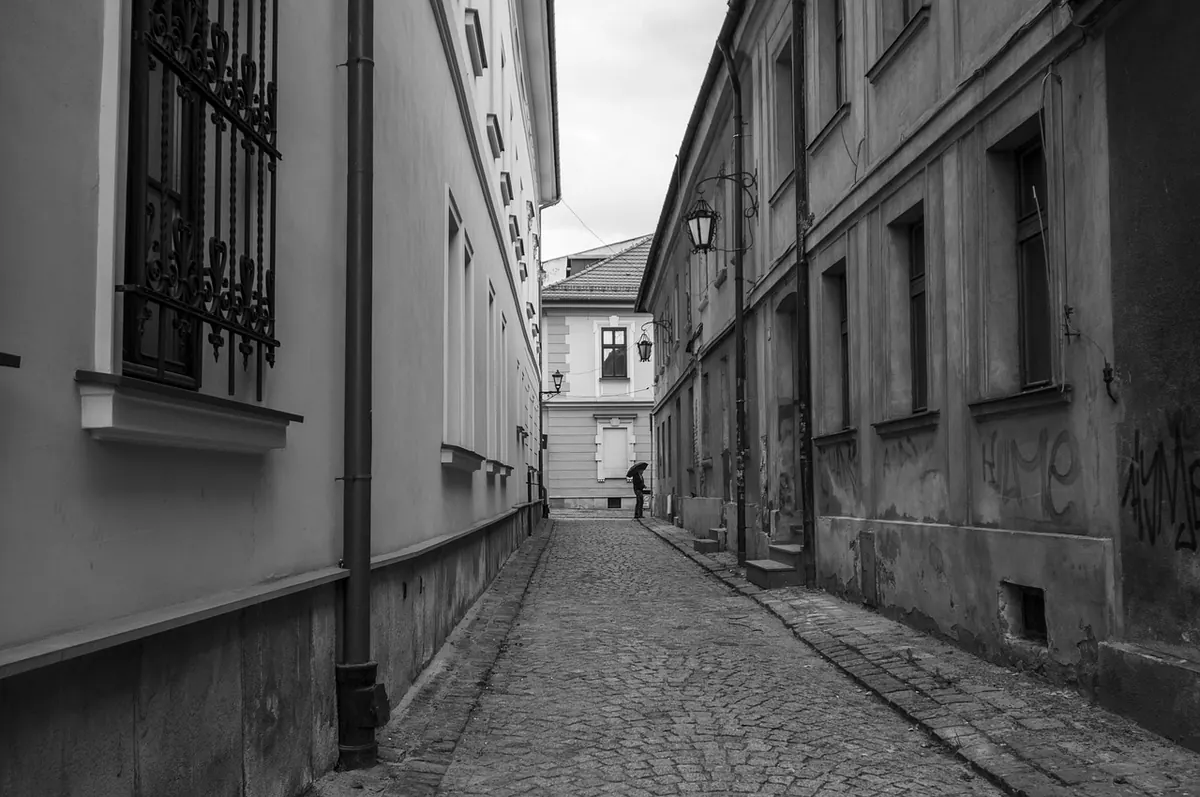
The least obvious of the three. People do not gather here; they turn back here. The dog walkers turn around at this corner and no further. Children are told they can go up to the corner and not past it. The pavement changes, the street gets narrower, the noise shifts from shops to balconies. Nobody has drawn a line, and yet the line is respected by everyone, including people who have lived there for a year and cannot explain why.
You do not need to be introduced to a corner to understand it. You need to look at six things, in this order.
Ask directions locally and you will hear distance described in corners rather than in meters. Just past the corner. Before the corner, on the left. This is not vagueness. It is a mental map, and it is more accurate than the street sign, because it marks changes the map does not record.
Past the corner, people lower their voices and stop sweeping the pavement in front of their own door.
That sentence is the whole idea. A boundary corner marks where one set of habits gives way to another: where you stop parking, where deliveries get left, where a neighbor's dog is allowed off the lead. Cross it and you are still in the same town, but you are in someone else's territory. The polite move is to acknowledge the crossing — a greeting, a nod, an unhurried pace — rather than to treat the other side as an extension of your own.
There is an etiquette to this, and it is mostly about not being in a hurry.
And resist the urge to ask questions that sound like a survey. Nobody at a corner wants to explain their neighborhood to a stranger with a notebook. They want to talk about the bins.
Corners are more fragile than they look. A bench is removed for "safety." A bar changes hands and the coffee gets worse. The newsstand closes, the crossing gets a light, scaffolding covers the good wall for a year. The people do not vanish; they relocate, sometimes only thirty meters, and for a while the old corner is just a corner again — a piece of pavement with nothing happening on it.
Watch what happens in the month after a change like that. If a new corner forms nearby, the neighborhood is healthy and simply chose a better wall. If nobody bothers, you have watched something real disappear. The corner was the switchboard, and now news travels slower, and the person who used to hear everything at eight in the morning hears it at the pharmacy instead.
Pick the corner nearest your own door, the one you have been walking past without seeing. Go at two different times on two different days and stand there for ten minutes, doing nothing in particular. Use the six-point list above. Note who leans, who sits, who turns back. Buy a coffee if there is somewhere to buy one.
The following week, say good morning to one person. Not a speech, not a question. A greeting. Give it a month before you decide whether the corner likes you, and do not confuse being ignored with being rejected; most corners are simply busy being useful to people who have been there longer than you.
Then one day you will give directions to a stranger and hear yourself say, "the corner, you know the one," and mean it. That is when the neighborhood stops being a place you live in and starts being a place that knows you are there.
Photo: 晓鸟 蓝 / Pexels
Previous Post
Comparison: Morning Market Streets vs. Afternoon Market Streets
Next Post
Common Mistakes to Avoid When Exploring Residential Alleys