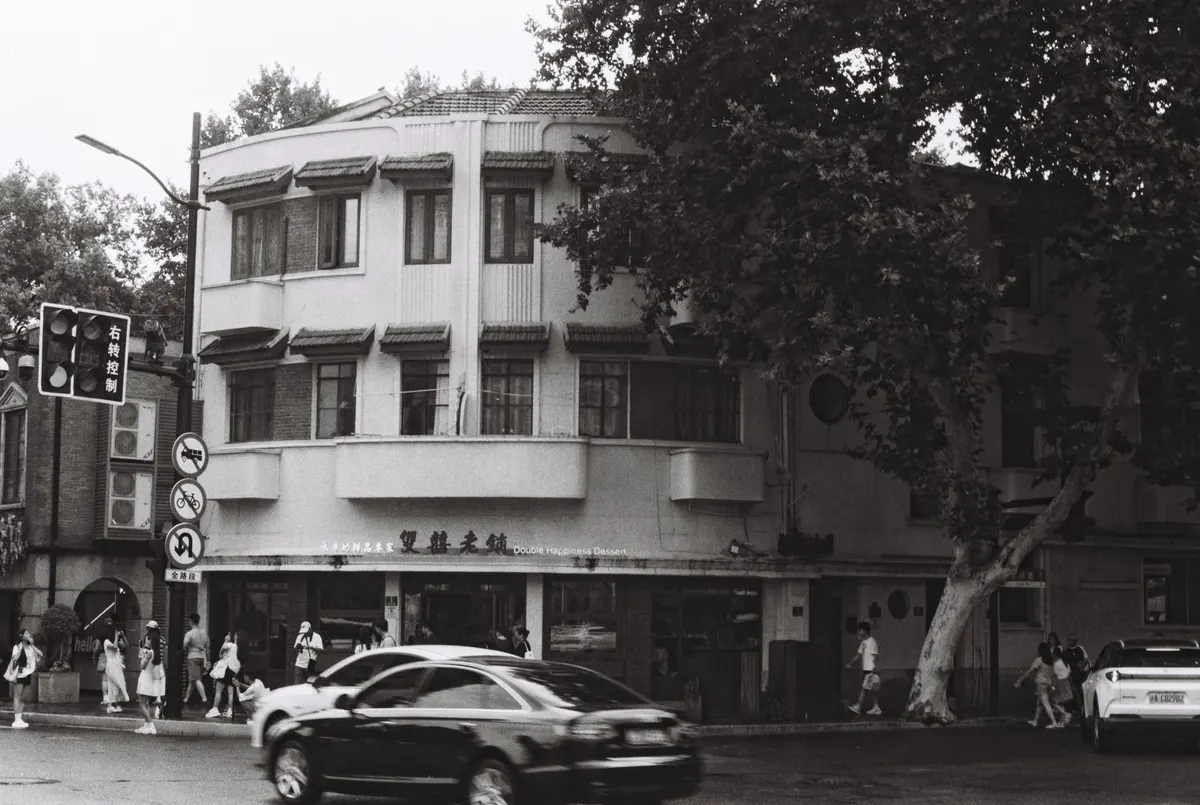
Explainer: Why Small Neighborhood Shops Still Matter in a Chain-Store Era

There is a particular quiet on a street where the shutters stay down all day. You notice it before you can name it: fewer people stopping to talk, no crates out on the pavement, nobody sweeping the step at seven in the morning. A neighborhood rarely loses its life in one dramatic moment. It loses it shop by shop, and only afterwards does anyone ask where everybody went.
Chain stores are not the villain of that story. They are cheap, predictable, open late, and most of us use them every week without apology. But the small shops that survive alongside them do a different job — one that is easy to overlook until it is gone. They keep the street in use, they hold knowledge that does not fit on a shelf, and they give a neighborhood a place to be recognized. What follows is what that looks like in practice, where the honest trade-offs sit, and what any of us can do about it.
Most of the relationships in a neighborhood are thin. You nod at the man with the dog, you swap two sentences with the woman from the third floor, you know the face behind the counter at the bakery. Sociologists have a name for these — weak ties — and the useful thing about them is how little effort they cost and how much they carry. They are how a street stays a place rather than a set of addresses.
Small shops manufacture those moments by accident. The barber asks about your mother because he cut her hair for twenty years. The newsagent holds your parcel and mentions the delivery van that has been parked badly all week. The woman at the till notices you have been away. None of this is friendship, exactly. It is something smaller and steadier: recognition. In a city, recognition is a form of comfort that costs almost nothing and is almost impossible to buy anywhere else.
It also works as a check on the day. Someone has seen you. Someone expects you on a Tuesday. That is a modest thing, but for people who live alone, or who work from home, or who have just moved, it can be the difference between a week that has texture and a week that does not.
The practical case is stronger than the sentimental one, and it is easier to defend. Walk into a chain and you get a range that has been decided somewhere else for a national average. Walk into a small shop and you get a person making a decision in front of you.
Try finding a single screw, one picture hook, a metre of string, one bulb of the right fitting, or half a kilo of flour at a chain. You usually cannot; you buy a pack of forty and take the rest home. The hardware shop on the corner sells you the one screw and often tells you which wall plug you actually need for a wall like yours. That is not nostalgia. That is a better product for the job.
Cooking advice is where this shows most clearly. A greengrocer will tell you which of the two melons is ready tonight, not next week. A butcher will suggest a cut for a slow braise when the one you asked for is wrong for the pan you have. A bookseller hands you something you did not ask for and is right about it. Even the pharmacy, within its limits, will tell you to go and see a doctor when that is the honest answer — and you should, because a shopkeeper is not a clinician and cannot be one.
These conversations are short. That is the point. They are efficient in a way that a shelf never is: two minutes of local knowledge in place of twenty minutes of guessing.
A shopping street works because people are on it. A shop that opens at seven puts a body on the pavement at an hour when the pavement is otherwise empty. It takes deliveries, which means a van and a driver and a conversation. Its window light spills out in the evening. All of this is unglamorous and all of it matters: streets with active frontages and steady foot traffic feel safer and are used more, and the effect compounds.
The reverse is just as visible. One closed unit is a curiosity. Three is a message. Boarded windows, rubbish in the doorway, a shutter with a faded notice on it — these change how a street feels to walk down at night, and they change who is willing to open there next. A local economy is a row of assumptions about the future, and a full row of shops is one of the strongest.
It would be silly to pretend small shops always win. They are often more expensive, because they buy in smaller quantities and pay for a location that a chain would only take with a national contract. Their hours can be eccentric. Their selection is limited, and sometimes limited to what the owner personally likes. A shop that has served the same families for decades can also be a little closed to newcomers, and a bad one is genuinely bad: unwelcoming, careless about stock, coasting on habit.
Chains are convenient, and there is no shame in using them. The argument is not that you should pay more for everything out of duty. It is that the two kinds of shop do different things, and if you value the small ones you have to use them for something, sometimes, or the choice quietly gets made for you by a lease.
Shops close for unromantic reasons: rent, a retirement, a repair bill, a landlord with other plans. A customer cannot fix any of that alone. But regulars are the difference between a shop that scrapes by and one that has room to breathe, and there are ways to be a regular that cost very little.
You do not have to save a high street. Pick one shop within a five-minute walk that you would genuinely miss — the one you would notice first if it went — and give it a real share of your routine for a month. Move one weekly errand there. Learn a name, give yours. If it does the job well, keep going; if it doesn't, try the next one.
That is the whole method, and it is how these things have always worked. Streets stay alive because enough people treat them as somewhere to be, not just somewhere to pass through. The shops are still there, most of them, holding the line on a Tuesday afternoon. It costs very little to walk in.
Previous Post
Seasonal Guide to Evening Walks in the Neighborhood: Spring vs. Autumn
Next Post
How to Photograph Alley Life Respectfully: A Local Culture Checklist