Seasonal Guide to Evening Walks in the Neighborhood: Spring vs. Autumn
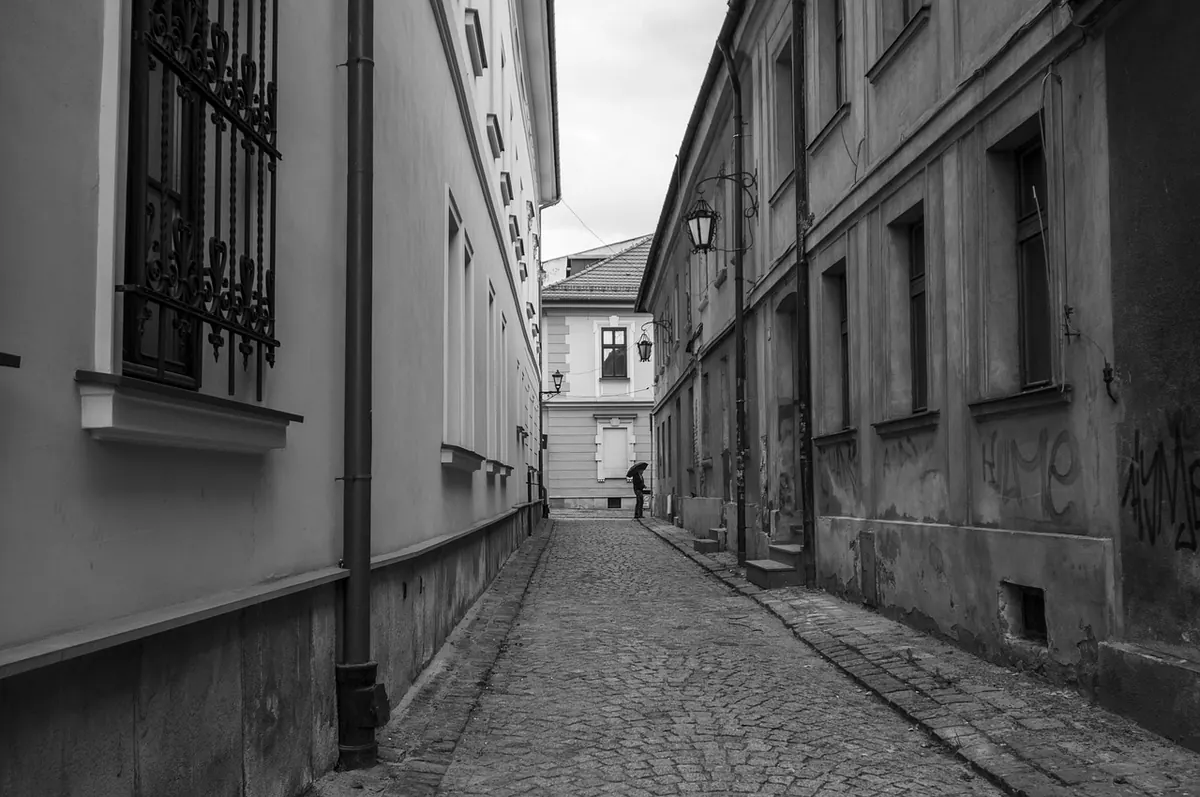
There is a half hour in this neighborhood when the street decides what kind of evening it will be. In spring it stretches, pale and generous, and nobody wants to go back inside. In autumn it arrives early and shuts like a door, and the same walk becomes a different thing entirely: quicker, warmer, more deliberate. The route doesn't change much. The light does, and with it the people, the sounds, and the small routines that make a vicolo feel like somewhere rather than a way through. What follows is a comparison rather than a schedule: what to look for, what to wear, and how to time an evening walk in each half of the year.
Everything else follows the light. Get that part wrong and you will spend a bright spring evening indoors, or find yourself walking home in an autumn dark that arrived while you were still deciding.
In early March you can still leave the house at half past six and find the street lit by lamps. Two or three weeks later the same hour is daylight, and the change is quick enough to feel like someone turning a dial. By late April the sun sits low and to the side for a long time, throwing horizontal light down the alley, catching the plaster on one side of the street and leaving the other in cool shade. Shadows are long, soft at the edges, and they stay that way for what feels like an unreasonable amount of time.
That slowness is the whole character of a spring walk. The light does not push you along. It gives you permission to stop, to stand at the corner, to take the long way around the block because the wall at the end of it is the color of apricots and you want to look at it for a minute longer.
Autumn works the other way. The light is lower and harder, coming almost straight down the street rather than across it, flaring off shop windows and hitting you in the face at the corner where the road bends. For twenty minutes everything is gold and slightly unreal. Then it is gone, and the blue hour that follows is short, cold, and worth planning around.
The best moment of an autumn walk is the overlap: the ten or fifteen minutes when the streetlamps have come on but there is still color in the sky. It happens earlier each week, so it rewards attention. Walk at the same time every evening through October and you can watch your walk slide from daylight into dusk without ever changing your habits.
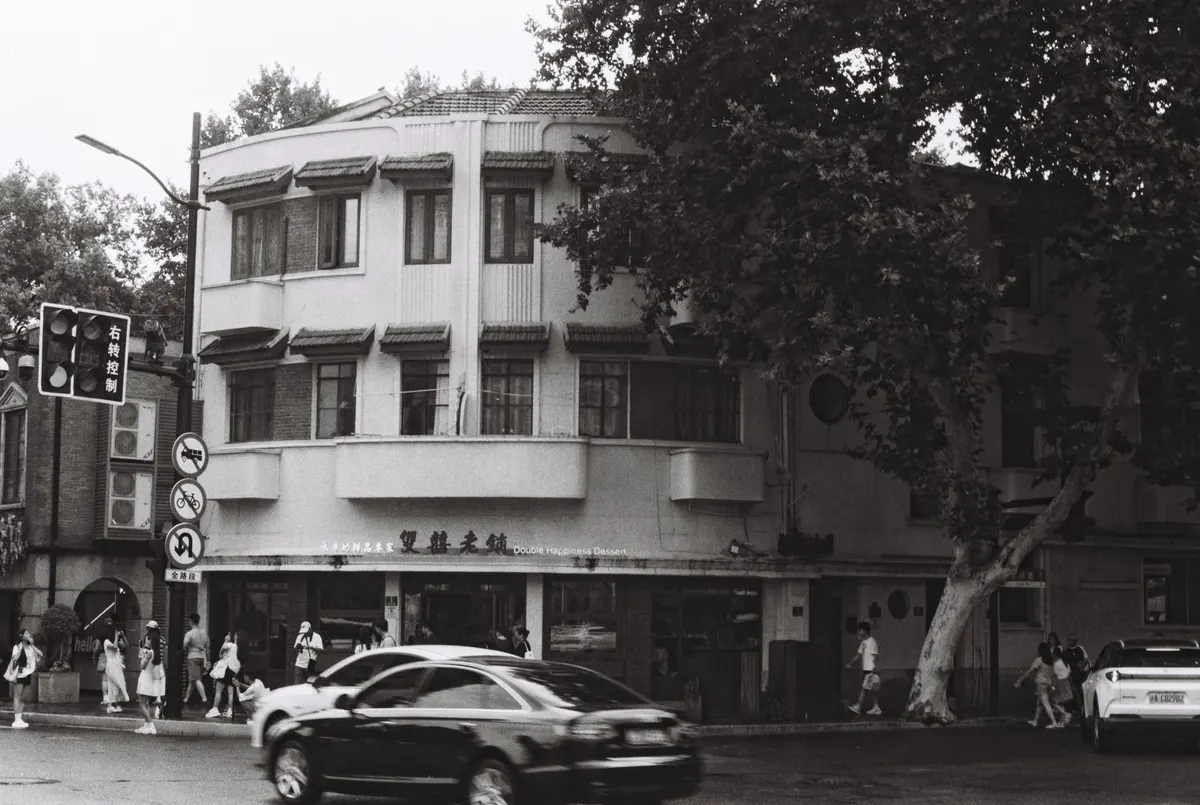
Spring fills the street earlier and empties it later. Chairs appear outside the bar and stay there. Doors are propped open with a brick or a folded menu. Children are allowed one more lap of the piazza, then another, and the calling-in happens gradually, in stages, with negotiation. The evening walk becomes wide and slow: three people abreast, someone stopping every few meters to talk, a queue at the gelato counter that blocks half the pavement. If you are walking for pace rather than company, go before seven or after nine.
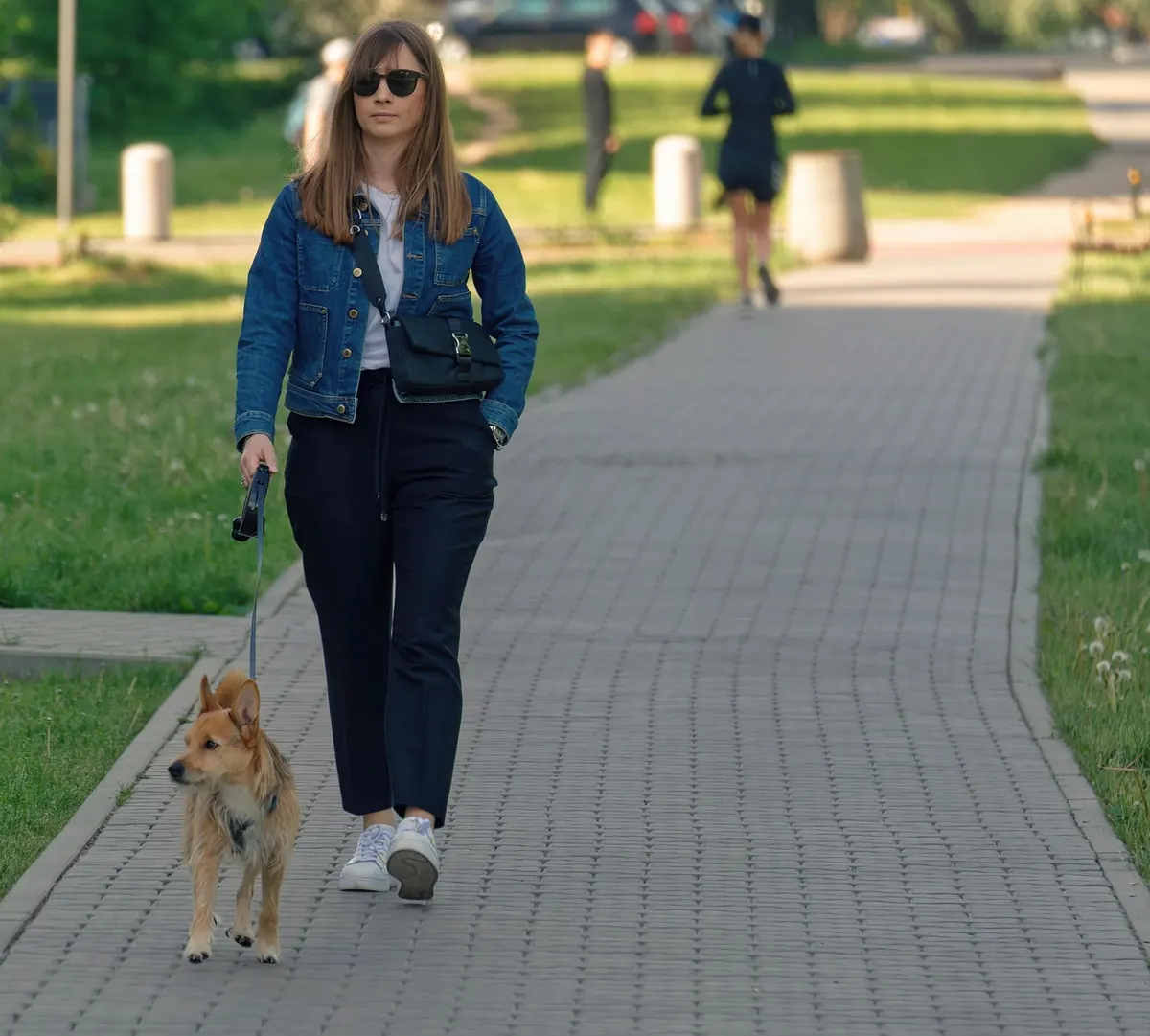
Autumn compresses all of it. The same people are out, but they move with purpose. Hands in pockets, coats buttoned, fewer stops to chat. The children disappear indoors earlier, and the dog walkers inherit the street in the gap between dinner and bedtime. The men who stand at the corner in spring stand there for shorter stretches, and eventually move inside. Shopkeepers sweep up at dusk instead of at closing. Nothing dramatic; just the whole neighborhood running slightly ahead of itself.
Spring is noisy in a domestic way, because the windows are open. Televisions spill into the street. Plates and cutlery, a radio in a kitchen, someone practicing the same eight bars on a piano, a conversation held across two balconies. Laundry moves on the lines. Swallows work the air above the roofline. Voices carry from the piazza and arrive at your ear in fragments, without context.
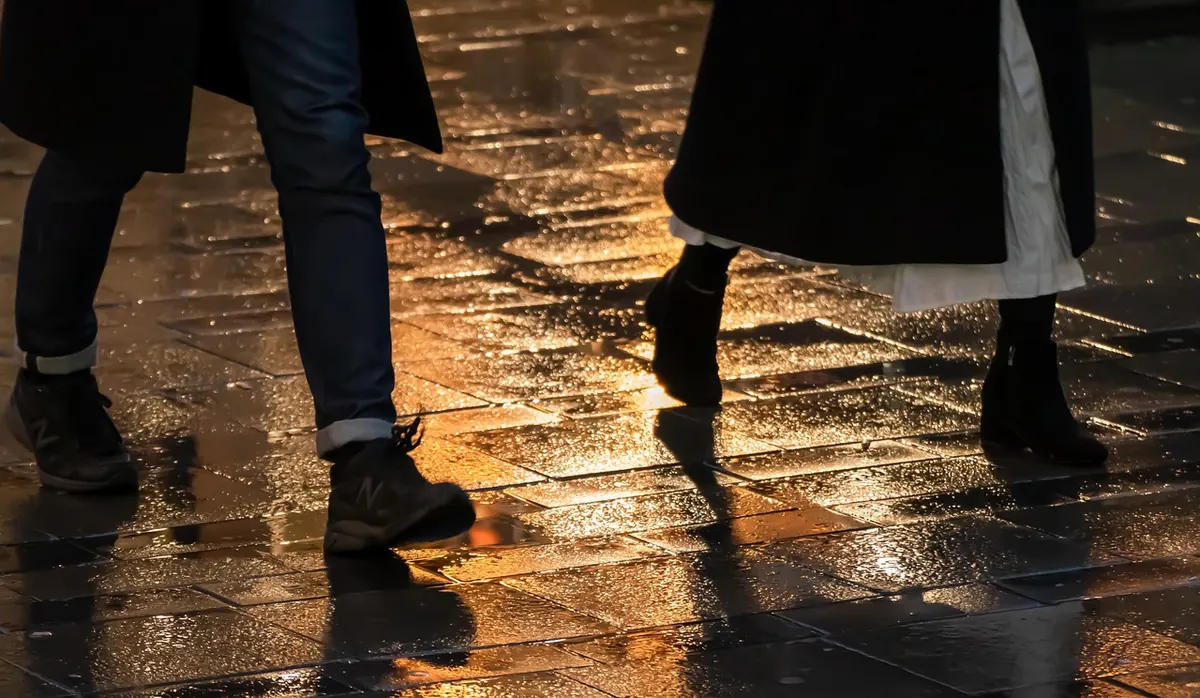
Autumn closes the windows and the street changes register. Footsteps become audible, including your own. Leaves scrape along the gutter and collect against doorways. Sound bounces off wet stone instead of being absorbed by foliage. Kitchens smell of things that take longer to cook. Some evenings there is wood smoke, and on the right kind of cold night the whole alley smells of roasted chestnuts from the cart near the junction. It is a quieter street, but a more legible one: you hear more of what happens because less is hidden.
The things worth noticing are the same in April and in October. Only the answers change.
Spring is a layering problem. The first warm evening of the year is a trap: it is genuinely warm at seven and genuinely chilly at nine, and the difference catches people out. Take a thin jacket you can tie around your waist. Choose shoes with some grip, because stone that has held the day's warmth also holds moisture, and the shaded stretch near the arch stays damp long after the rest of the street has dried.
Autumn is a visibility problem more than a warmth problem. Wear one layer more than the temperature suggests, and favor something pale enough to be seen on the unlit stretch behind the church. A small torch is not excessive. Wet leaves hide exactly the things you need to see: raised iron covers, broken kerbs, the shallow step outside the old shop. If you walk alone after dark, keep to the lamp-lit route and let someone know roughly when you will be back until you know the street well.
Most evenings, the choice comes down to two routes. The long loop takes in the wall at the western end, the bakery corner, the piazza and the slow bend back. It takes a good while and offers a lot to look at. Spring is the season for it: there is light enough to justify the detour, and enough life on the street to make the extra twenty minutes interesting.
The short loop is the one around the block: bar, arch, junction, home. In autumn it is the better default, with one adjustment — set out earlier than feels natural, so that the best light falls in the middle of the walk rather than at the end of it. If you only ever walk the long loop in spring and the short one in autumn, you will half-believe they are different neighborhoods. They are not. They are the same few hundred meters, seen at two different times of day.
A short routine that works in both seasons:
Then walk slowly enough to notice which of the two evenings you are actually in. The neighborhood tells you within a block.
Photo: birgl / Pixabay
Previous Post
Hidden Corners Checklist: 10 Small Details to Notice on a Single Alley Walk
Next Post
Explainer: Why Small Neighborhood Shops Still Matter in a Chain-Store Era