Neighborhood Guide: Mapping a Day of Errands Through the Old Quarter
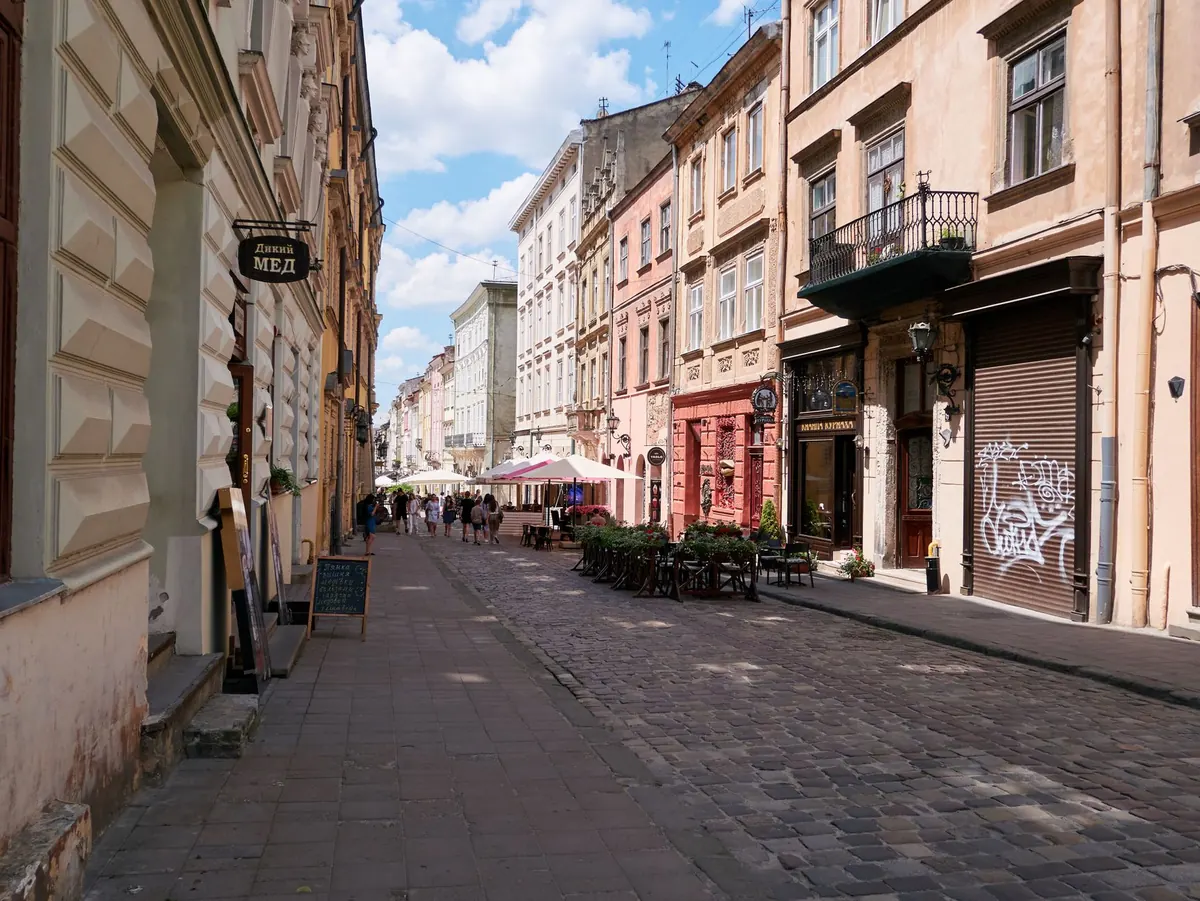
An errand list is written flat, in a column: butcher, keys, photocopies, cheese, post office. A day of errands in the old quarter works better as a line on a map. Shops here sit in clusters, not rows, and the streets between them are narrow enough that a wrong turn costs you ten minutes and a flight of steps. Plan the route and the errands take an afternoon. Improvise and they take the whole day.
What follows is a walking day built around how the quarter actually runs: market first, while the produce is still out and the bread is still warm; service streets next, because drop-offs need time; food shops around midday, when the counters are quiet; and the formal counters in the afternoon, before they close and the light goes.
Start where the quarter starts, in the small square with the plane trees and the stalls that fold away by lunchtime. Come early — not at dawn, but before the school run turns the narrow end of the square into a traffic jam of strollers and delivery vans. The first hour is the calmest and the best-stocked.
Work the square in a loop rather than a zigzag. Produce on the outer edge, cheese and cured meats under the arch, fish at the far end where the drain runs and the floor is wet. The bakery is the exception: it rewards a detour last, because bread is the heaviest, most crushable thing you will carry all morning. Buy it on your way out, not on your way in.
Two small habits make the market half as tiring. Carry a folding bag on your shoulder and keep both hands free; a basket looks charming and becomes a burden by the third stall. And keep a little cash on you, because not every stall has a card reader, and the ones that do sometimes prefer not to use it before nine.
If your errand list includes anything bulky, leave it for the second loop. A day that starts with six kilos of potatoes is a day that ends early.
Behind the church there is a lane that does the quarter's quiet work. A key cutter with a bench on the pavement, a cobbler who resoles shoes and mends straps, a tailor's window with three dresses waiting to be taken in, a dry cleaner that also does curtain hems and, if you ask, curtains. Down the far end: a shop that photocopies, prints, laminates, and sells envelopes in every size except the one you need.
This is where the order of your day matters most. Repairs are drop-offs. Anything you leave at ten in the morning has a reasonable chance of being ready by four; anything you leave at three in the afternoon will be ready tomorrow. Do the round of drop-offs first, take the paper slips, and photograph them — the slips fade, get lost, or get wet.
A repair is a promise with a time on it. Give the shop a morning and you will usually get an afternoon back.
The photocopy shop sits near the registry office for a reason. If your day involves forms, get your copies made before you join any queue, not after. Bring more copies than you think you need, and bring the originals too, even when the form says copies only.
By half past twelve the market is folding and the food shops are at their emptiest. This is the moment for a short loop through the side streets, roughly forty minutes at an unhurried pace.
If you have a cool bag, this is its hour. Meat and cheese go in first, and the bag goes on your shoulder, not swinging at your knee where every doorway catches it.
Then come the errands that need a counter and a conversation: the post office, the bank, the registry office, the office that issues the permit you have been putting off. In the old quarter these are clustered along one wide street that was once a market thoroughfare and is now a slow parade of numbered doors.
Expect a split day. Many offices shut for a long lunch and reopen for a short afternoon, so the window between two and four is often the only one you get. Check the hours on the door — or on the office's own notice — before you walk there, and take a photograph of the sign so you are not guessing next week.
Bring more than you think you need: identity document, a copy of it, the reference number from the letter, and the letter itself. Take a numbered ticket, then use the wait rather than resenting it. And where the errand involves a contract, a tax matter, a benefit, or anything you do not entirely understand, ask at the counter which form is correct, and take professional advice before you sign. A queue is a bad place to make a decision you cannot undo.
Errands in the old quarter are a weight problem as much as a route problem. Two loops beat one heavy one: do the market and the drop-offs in the morning, come home, then go out again for the afternoon counters with nothing in your hands. Wear the shoes you would walk a mile in, because you probably will, and the pavements here are uneven in a way that punishes thin soles.
Water and a sitting-down stop are not indulgences. A bench in the square, a coffee taken at the counter, ten minutes out of the sun under the arcade — these are what make a five-hour errand day feel like a walk rather than a shift. Check the sky before you leave: a folded umbrella weighs almost nothing and the quarter's streets give little shelter once the rain starts.
Finally, end where you began. Bring the day back to the square, sit for a moment with your bags at your feet, and cross off the list while it is still fresh. Next week's route will be easier for it.
Photo: Denys Cherechecha / Pexels
Previous Post
A Beginner's Guide to Attending a Local Neighborhood Festival Without Feeling Like a Tourist
Next Post
7 Common Mistakes Visitors Make in Local Corner Cafes