A Beginner's Guide to Attending a Local Neighborhood Festival Without Feeling Like a Tourist
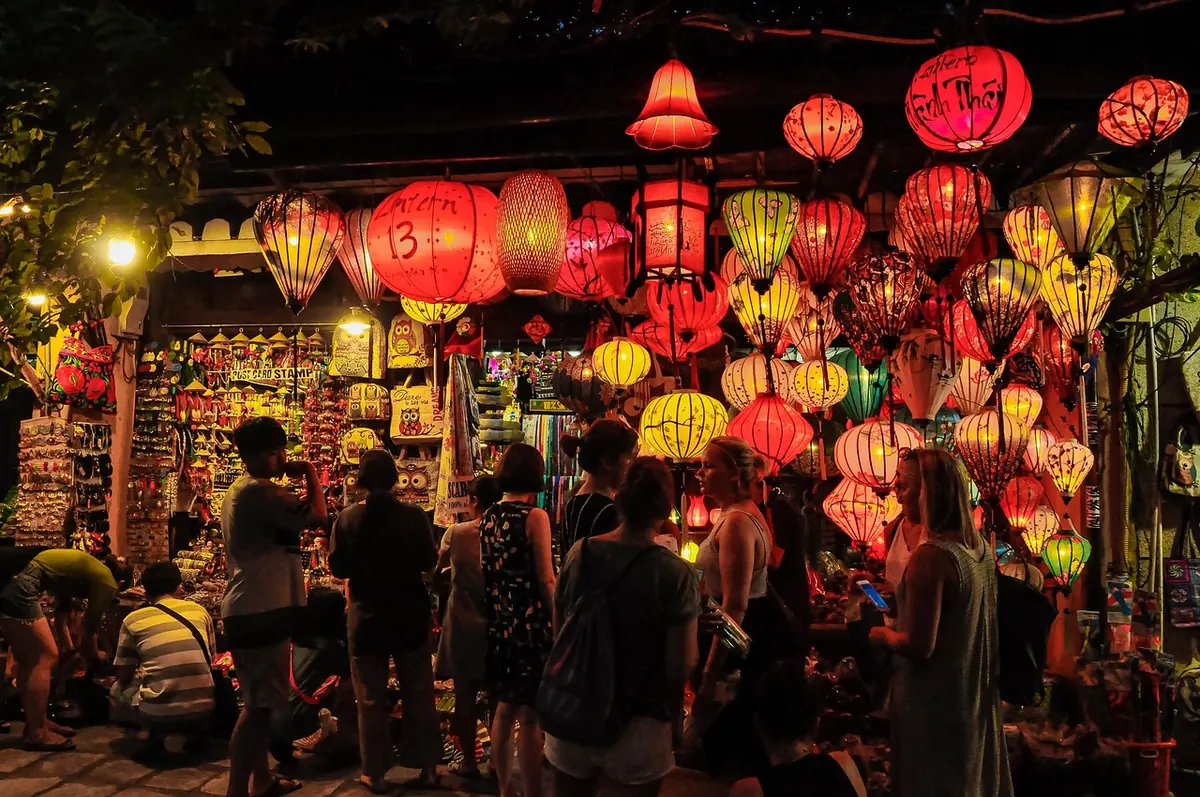
You'll know the moment. A street gets roped off, folding tables appear at dusk, and a woman carries a tray of something fried past three men arguing about football. The festival isn't really for you — it's for the people who live there — and that is exactly why it's worth going. A neighborhood festival is one of the few places left where a stranger can be a guest rather than a customer. The trick is arriving curious, unassuming, and roughly on time.
Small festivals are rarely generic. They mark a patron saint, a harvest, a procession, a memorial, a football victory from decades ago that nobody has stopped mentioning. Knowing which one you're attending changes everything about how you behave.
So do a little homework, and do it locally. The notice is usually taped to the door of the bakery, pinned up in the bar, or printed on a flyer with a phone number nobody answers. Ask the person behind the counter two questions: what time does it actually start, and what happens before the eating begins. Many of these festivals open with a church service or a procession through the streets; the food and the music come afterwards. Turning up at the food and skipping the ceremony is the single most common visitor mistake, and it is noticed.
Also check how the food works. Some festivals sell plates; some sell tickets from a table near the entrance; some just pass a basket. Ask before you queue, because the wrong queue at eight in the evening is a lonely place.
The stated start time is usually the time when things are ready. The real start is an hour earlier, when the tables need moving and the chairs need unfolding. Arriving then is the easiest social advantage you will ever be given.
Walk up, catch the eye of whoever looks most in charge of the physical work, and ask if you can help. The answer is often yes. Carrying a stack of chairs across a piazza buys you three introductions and a plate of something before the queue forms. Nobody remembers the person who arrived at nine and ate; everybody remembers the person who stacked the chairs.
Dress for standing around outdoors and for the possibility of carrying things. Comfortable shoes, a layer for later. Bring cash in small notes — many of these events run on a tin box and a volunteer with a bag of change, and card machines are not part of the plan.
Every festival has a shape, and the shape is legible within ten minutes if you stop and look. Where is the queue, and what is it for? Where does money change hands? Who stands up first when the speeches start? Standing at the edge with a drink and simply observing the machinery is not passive — it's how you avoid being the person who sits at the family table.
A few things worth noticing before you commit to anything:
The long communal tables are for everyone. The table with the embroidered cloth and the good chairs is not. If you're unsure, ask someone carrying a tray where a visitor should sit — they will point, and they will be pleased you asked.
Respect at a small festival is mostly a matter of not treating the place like a venue. Learn the local words for please and thank you, even badly; the attempt gets more goodwill than the accent deserves. Ask what's in a dish before you turn it down, and don't ask for substitutions when one volunteer has cooked the same thing for two hundred people.
If the festival follows a religious calendar, ask whether there's a fasting menu or whether meat is being served. If there's a collection basket, put something in it — it's usually funding next year's festival, not anybody's holiday. Keep an eye on how much you drink; the tolerance level of a village square at midnight is lower than it looks, and you are a guest in someone's street.
Photographs deserve their own rule. Ask before photographing people, especially children and older people, and never stand in the middle of a procession to get the shot. If you're asked to put the phone away during a ceremony, do it immediately and without a face.
You will probably be invited to dance. Say yes. Watch one round first so you know whether it's a circle, a pair, or something with steps that everybody learned at eight years old and you will not learn tonight. Then join at the edge, be cheerful about being bad at it, and step out after a couple of turns. The point is participation, not performance.
Buy a raffle ticket. Try the game the teenagers are running even if it looks rigged, because it probably is, and that's the joke. If somebody hands you an instrument, a ladle, or a stack of plates, take it. The fastest way to stop being a tourist is to be given a job, however small, and to do it without complaining.
Don't ask questions during the speeches, the blessing, or the two minutes when everyone is carrying hot dishes across the square. Wait for the pause after the plates are cleared. That's when people are sitting, relaxed, and happy to explain what you just watched and why the same family has run the grill for thirty years.
Stay for the tidying up if you can. It is the least glamorous part of the evening and the one where you stop being a visitor. Carry a stack of chairs back, collect glasses, ask where the bins are. Thank the person at the grill by name if you caught it, and thank whoever was running the ticket table.
Before you go, find the person who seemed to be organising things and say that you enjoyed it and would come again. That sentence does more for the festival than any amount of applause, because these events survive on the suspicion that outsiders care. Then leave quietly, walk home on the side of the road where the cars aren't, and put the date in your diary for next year. Turn up twice and you'll be carrying chairs without being asked.
Photo: NguyenDo / Pixabay
Previous Post
How to Read a Neighborhood's History Through Its Alley Doorways
Next Post
Neighborhood Guide: Mapping a Day of Errands Through the Old Quarter